

Blog
Chinese Cars Are Taking Over: Top Models, Prices, and What Buyers Need to Know

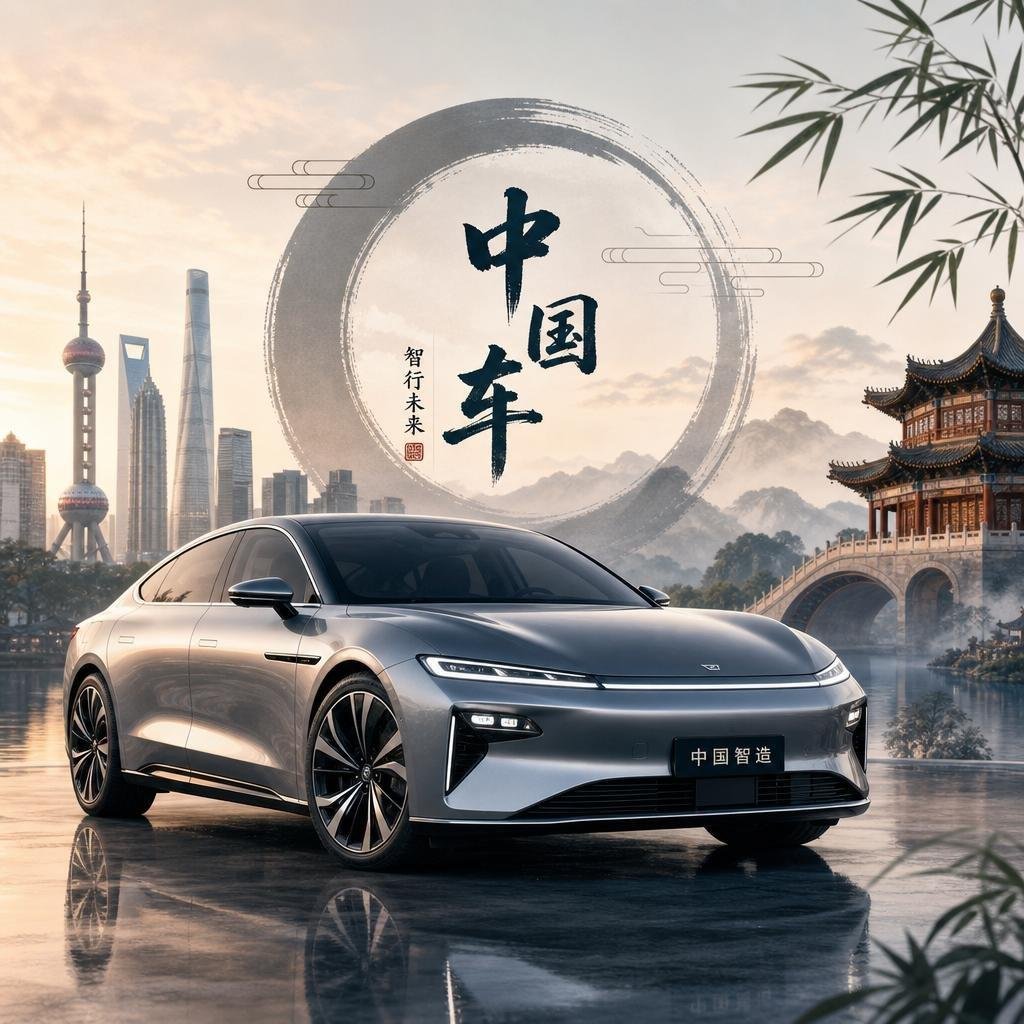
Chinese Car Guide: Brands, Benefits, EV Technology, and Buying Tips
The phrase “Chinese car” no longer means a niche or unfamiliar vehicle. Over the past decade, Chinese cars have moved from being budget-focused alternatives to becoming serious competitors in the global automotive market. Today, Chinese car brands are known for electric vehicles, advanced infotainment systems, competitive pricing, long equipment lists, and fast product development.
Whether you are considering a Chinese electric car, a family SUV, a city hatchback, or a value-packed hybrid, the market has changed dramatically. Brands such as BYD, MG, Geely, Chery, Great Wall Motors, NIO, XPeng, Changan, and SAIC are gaining attention in Europe, Asia, the Middle East, Latin America, Australia, and beyond.
This comprehensive guide explains what makes Chinese cars popular, which Chinese car brands are worth knowing, the benefits and potential drawbacks, and practical tips before buying one.
What Is a Chinese Car?
A Chinese car is a vehicle designed, manufactured, or owned by an automotive company based in China. Some Chinese cars are fully developed by Chinese manufacturers, while others are produced through joint ventures or global partnerships. In many markets, you may also see cars from traditional Western-sounding brands that are now owned by Chinese companies.
For example, MG is a historic British brand, but it is currently owned by SAIC Motor, one of China’s largest automotive groups. Volvo Cars is owned by Geely, while Polestar also has strong Chinese ownership and manufacturing ties. This shows how deeply Chinese automotive companies are now connected to the global car industry.
Why Chinese Cars Are Becoming So Popular
The growth of the Chinese car industry is not an accident. China is the world’s largest automotive market and has invested heavily in vehicle manufacturing, battery technology, electric drivetrains, and smart mobility. As a result, Chinese automakers can produce vehicles quickly, scale production efficiently, and offer competitive prices.
Key Reasons Behind the Rise of Chinese Cars
- Competitive pricing: Many Chinese cars offer strong value for money compared with European, Japanese, Korean, and American rivals.
- Electric vehicle expertise: China is a global leader in battery production and electric vehicle adoption.
- Generous standard equipment: Features such as large touchscreens, driver assistance systems, panoramic roofs, and wireless charging are often included.
- Fast innovation: Chinese car brands refresh models and introduce new technology at a rapid pace.
- Wide product range: Buyers can find Chinese SUVs, sedans, crossovers, city cars, plug-in hybrids, and fully electric cars.
Popular Chinese Car Brands to Know
The Chinese automotive industry includes dozens of brands, but several names stand out internationally. Some focus on affordable cars, while others specialize in premium electric vehicles or rugged SUVs.
| Brand | Known For | Popular Vehicle Types |
|---|---|---|
| BYD | Battery technology and electric cars | EVs, plug-in hybrids, sedans, SUVs |
| MG | Affordable global models | Hatchbacks, SUVs, electric cars |
| Geely | Global ownership and modern platforms | Sedans, SUVs, hybrids |
| Chery | Value-oriented family vehicles | SUVs, crossovers |
| Great Wall Motors | SUVs and pickup trucks | 4x4s, pickups, SUVs |
| NIO | Premium EVs and battery swap technology | Luxury electric SUVs and sedans |
| XPeng | Smart EV technology | Electric sedans and SUVs |
Chinese Electric Cars: A Major Strength
One of the biggest reasons people search for a Chinese car today is the rapid rise of Chinese electric cars. China has become a major force in EV battery production, charging technology, and affordable electric mobility. Brands such as BYD, NIO, XPeng, Zeekr, and MG are helping make electric vehicles more accessible to everyday drivers.
BYD, in particular, has become one of the most recognized Chinese EV brands globally. The company produces its own batteries and offers both fully electric vehicles and plug-in hybrids. MG has also gained popularity in many international markets by offering practical electric cars at competitive prices.
Benefits of Chinese EVs
- Lower purchase price: Many Chinese EVs are priced below comparable models from legacy brands.
- Strong battery supply chain: Chinese companies are deeply involved in lithium iron phosphate and other battery technologies.
- Good driving range: Many modern Chinese electric cars offer practical real-world range for daily commuting and family use.
- Technology-rich interiors: Large screens, connected services, app controls, and digital dashboards are common.
- Urban-friendly design: Compact EVs and crossovers are ideal for city driving and short commutes.
Are Chinese Cars Reliable?
Reliability is one of the most common questions buyers ask about Chinese cars. The answer depends on the brand, model, market, service network, and how long the vehicle has been available. Early Chinese cars sold in some export markets were sometimes criticized for quality issues, but the industry has improved significantly.
Modern Chinese car brands have invested heavily in safety, engineering, design, and manufacturing quality. Some models now perform well in independent safety tests, and several brands offer long warranties to build customer confidence. However, as with any car purchase, it is important to research the specific model rather than judging every Chinese car the same way.
Reliability Factors to Check
- Warranty length and what it covers
- Availability of spare parts in your country
- Dealer network and service center locations
- Owner reviews and long-term reliability reports
- Battery warranty for electric vehicles
- Software update policy and infotainment support
Safety Standards and Crash Test Performance
Safety has become a major priority for Chinese car manufacturers, especially those exporting to Europe, Australia, and other regulated markets. Many newer Chinese cars include advanced safety features such as adaptive cruise control, lane keeping assistance, blind spot monitoring, autonomous emergency braking, and multiple airbags.
Some Chinese models have achieved strong results in respected crash testing programs, depending on the region and specification. Still, buyers should always check the exact safety rating for the model sold in their country, because equipment can vary by market.
| Safety Feature | Why It Matters |
|---|---|
| Autonomous Emergency Braking | Helps reduce or avoid collisions |
| Lane Keeping Assist | Supports safer highway driving |
| Blind Spot Monitoring | Improves visibility when changing lanes |
| Multiple Airbags | Protects occupants during impact |
| 360-Degree Camera | Makes parking and tight maneuvers easier |
Advantages of Buying a Chinese Car
For many drivers, the strongest appeal of a Chinese car is value. Chinese car brands often include features that cost extra on competing vehicles. This makes them attractive to budget-conscious buyers who still want modern design, comfort, and technology.
Main Benefits
- Excellent value for money: You may get more features for a lower price.
- Modern design: Many Chinese cars now have stylish exteriors and premium-looking interiors.
- Strong EV options: Chinese electric cars are among the most competitive in the market.
- Long warranties: Some brands offer generous warranty packages to attract new customers.
- Feature-packed cabins: Digital displays, smartphone connectivity, and driver assistance are common.
- Rapid improvements: Newer models are often much more refined than older generations.
Potential Drawbacks to Consider
While Chinese cars have improved greatly, buyers should also be realistic. The ownership experience can vary significantly depending on the brand and your location. A Chinese car may be a smart purchase in one country with strong dealer support, but less practical in another where parts availability is limited.
Possible Disadvantages
- Resale value uncertainty: Some Chinese car brands are still new in export markets, making resale values harder to predict.
- Limited dealer coverage: Service centers may be fewer than established brands in some regions.
- Brand perception: Some buyers may still be cautious due to outdated views of Chinese manufacturing.
- Software learning curve: Touchscreen-heavy interiors may take time to get used to.
- Parts availability: Always confirm how quickly parts can be sourced locally.
Chinese Cars vs Japanese, Korean, European, and American Cars
Chinese cars compete most strongly on price, technology, and electric powertrains. Japanese cars still have a strong reputation for reliability, Korean brands offer excellent warranties and refined products, European cars often lead in driving dynamics and premium feel, while American brands remain strong in trucks, SUVs, and performance vehicles.
However, Chinese automakers are closing the gap quickly. In the EV segment, some Chinese electric cars can match or exceed rivals in equipment, range, and affordability. This is why more buyers are adding Chinese car brands to their shortlist.
| Category | Chinese Cars Often Excel In | Check Carefully |
|---|---|---|
| Price | High standard equipment | Resale value |
| EV Technology | Battery and software innovation | Charging compatibility |
| Comfort | Spacious interiors and features | Ride quality on local roads |
| Ownership | Long warranties from some brands | Dealer and parts support |
Practical Tips Before Buying a Chinese Car
If you are considering a Chinese car, a little research can help you make a confident decision. The right model can offer excellent value, but you should compare more than just the purchase price.
Buying Checklist
- Take a long test drive: Test city roads, highways, parking, visibility, braking, and suspension comfort.
- Check warranty terms: Understand the vehicle warranty, battery warranty, and exclusions.
- Research local service support: Make sure there is a reliable dealer or workshop nearby.
- Compare insurance costs: Newer brands may have different insurance pricing.
- Read owner reviews: Look for feedback from people who own the exact model in your country.
- Inspect charging options: For Chinese EVs, confirm home charging, public charging, and connector compatibility.
- Look at resale trends: If you plan to sell in a few years, resale value matters.
Best Types of Buyers for Chinese Cars
A Chinese car can be a great fit for many drivers, especially those who want modern features without paying premium-brand prices. However, the best choice depends on your lifestyle and expectations.
A Chinese Car May Be Ideal If You:
- Want an affordable electric vehicle or plug-in hybrid
- Prefer a new car with a strong warranty over a used premium car
- Value technology, screens, and driver assistance features
- Need a practical family SUV at a competitive price
- Have access to an official dealer and service center
- Are open to newer brands with fast-improving reputations
Mini Case Studies: Choosing the Right Chinese Car
Case Study 1: The City EV Driver
A driver who mostly travels short distances in the city may benefit from a compact Chinese electric car. Lower running costs, easy parking, and quiet driving make an EV practical for commuting. The buyer should focus on real-world range, home charging access, and battery warranty.
Case Study 2: The Family SUV Buyer
A family looking for space, safety features, and good value may consider a Chinese SUV from brands such as Chery, MG, Haval, or BYD. Important factors include rear-seat comfort, boot space, child-seat mounting points, crash test ratings, and local service support.
Case Study 3: The Technology Enthusiast
Someone who enjoys advanced infotainment, app-based controls, digital dashboards, and driver assistance may find Chinese cars especially appealing. Brands like NIO, XPeng, Zeekr, and BYD often emphasize smart features and connected driving experiences.
The Future of Chinese Cars
The future of Chinese cars looks highly competitive, especially in the electric vehicle sector. Chinese automakers are expanding into more international markets, developing new battery chemistries, improving vehicle safety, and investing in autonomous driving technology.
As competition grows, buyers may benefit from lower prices, better technology, and more choice. Traditional automakers are also responding by improving their own EVs and value offerings. In other words, the rise of the Chinese car is reshaping the global automotive industry.
Frequently Asked Questions About Chinese Cars
Are Chinese cars good quality?
Many modern Chinese cars offer good build quality, strong equipment levels, and improved safety. Quality varies by brand and model, so it is important to research the specific vehicle you are considering.
What is the best Chinese car brand?
There is no single best Chinese car brand for every buyer. BYD is strong in electric vehicles, MG is popular for affordable models, Geely has global experience, and Great Wall Motors is known for SUVs and pickups. The best choice depends on your budget, location, and vehicle needs.
Are Chinese electric cars reliable?
Many Chinese electric cars use advanced battery technology and come with long battery warranties. Reliability depends on the model, maintenance, software support, and service network in your region.
Should I buy a Chinese car?
You should consider a Chinese car if it offers the features, safety, warranty, and service support you need at a competitive price. Always test drive the vehicle and compare it with alternatives before making a final decision.
Conclusion: Is a Chinese Car Worth Considering?
A Chinese car is absolutely worth considering for many modern buyers. The old perception of Chinese cars as basic, low-cost vehicles is increasingly outdated. Today’s Chinese car brands offer stylish designs, advanced electric powertrains, smart technology, generous equipment, and competitive pricing.
That said, the smartest approach is to evaluate each model carefully. Check the warranty, safety rating, dealer support, parts availability, charging compatibility, and owner feedback in your local market. If those factors are strong, a Chinese car can be a practical, affordable, and future-ready choice.
As Chinese electric cars and Chinese SUVs continue to improve, they are likely to become even more common on roads around the world. For buyers who want value, innovation, and modern features, the Chinese car market is no longer something to ignore-it is one of the most important parts of the automotive future.